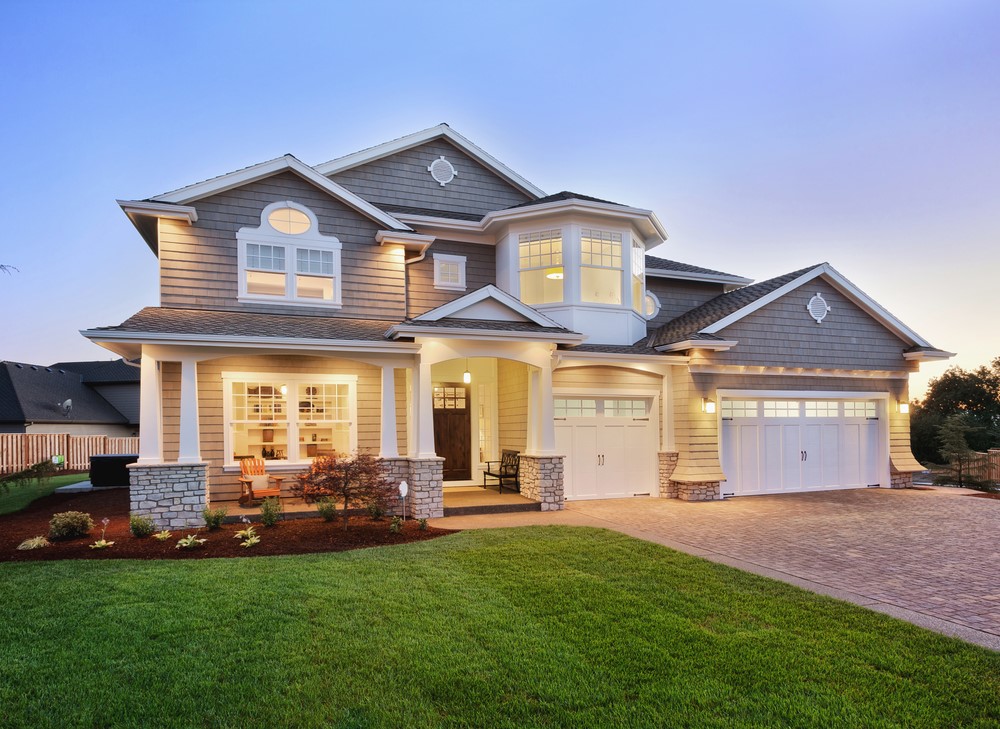
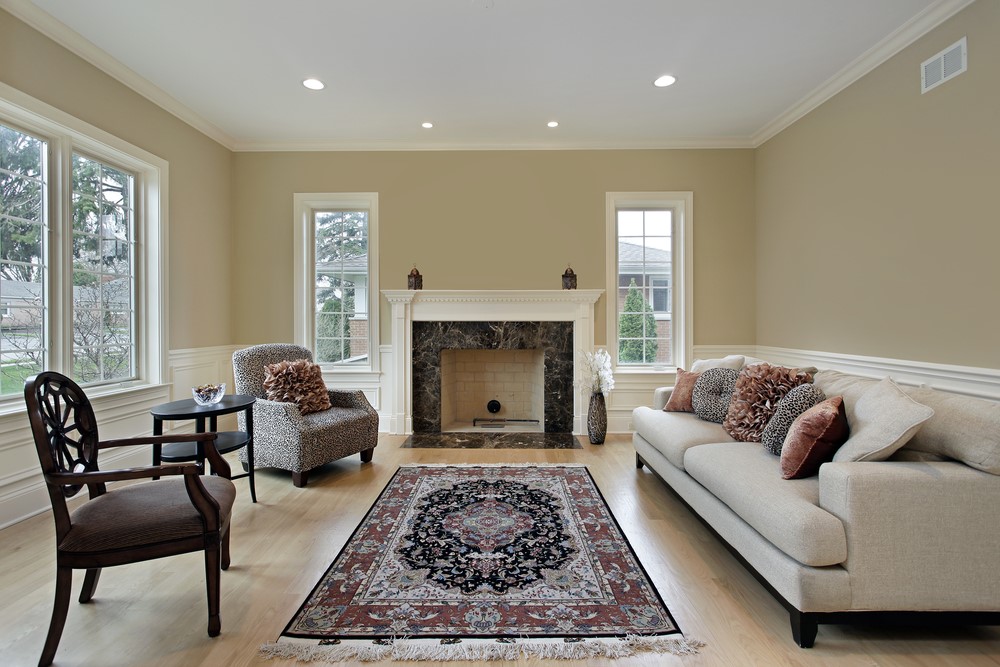
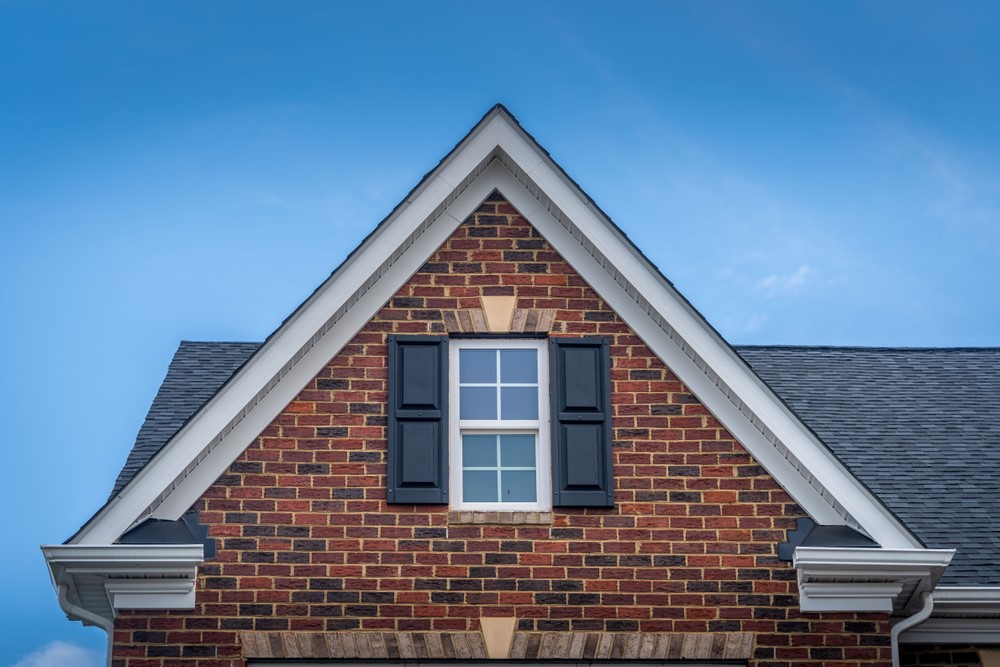
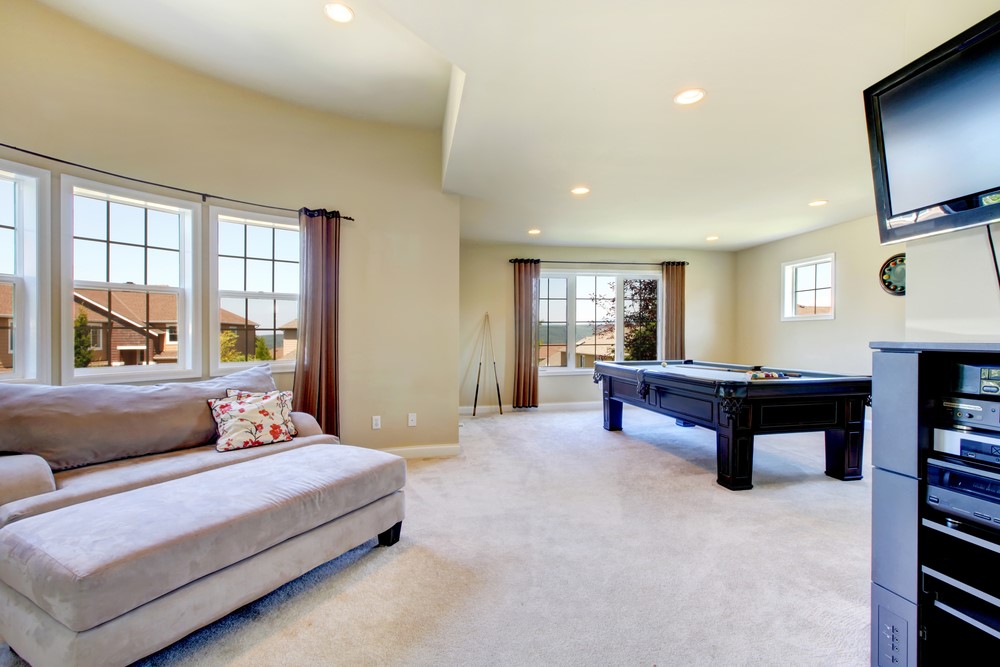
When you install new windows, look for an option that brings years of energy-saving value to your home. Energy-efficient windows offer incredible insulation that alleviates the work of your HVAC unit, bringing noticeable improvements to homes across the Midwest.
As a local Northwest Illinois and Southeast Wisconsin window replacement company, we focus on solutions that offer optimal results. We combine ProVia’s ENERGY STAR windows with knowledgeable installers to help your remodel stand the test of time. Plus, our work comes with reliable warranty options that continue to enhance the value of our services.
Energy Efficient Window Installation by Window Replacement Professionals
At TruHome Pros, we know that even a single home remodeling project can bring decades of value to your home. A simple update to an energy-efficient window replacement has the power to cut down on heating/cooling costs and make every room in your house more comfortable.
By switching to a modern window installation, you can also renew the security and weather performance of your home. As a trusted Northwest Illinois and Southeast Wisconsin window installation company, we prioritize:
- Customizable Window Styles: We can install a wide selection of customizable window styles tailored to the function and appearance you’re looking for. From bay and bow windows to double-hung windows, we can help you choose beautiful styles for every room.
- Easy-to-Maintain Products: Vinyl windows offer incredible durability without requiring any difficult maintenance, so they’ll continue to perform well year after year.
- Affordable Remodeling: Even industry-leading products and award-winning workmanship can fit into your budget when you use our affordable and convenient financing options.
- Experienced Installers: We’re a Top 500 Qualified Remodeler, making us stand out for reputable services and superior workmanship. By focusing on providing a BBB A+ accredited experience at every window installation project, we make your remodel into a stress-free process.
Energy-Efficient Windows Designed for Year-Round Comfort
Energy-efficient replacement windows are about much more than adding another pane of glass. The performance of a modern window depends on how its glass, frame, insulating spaces, Low-E coatings, gas fills, spacers, weatherstripping and other components work together.
At TruHome Pros, we install premium ProVia energy-efficient windows for homeowners throughout Northern Illinois and Southern Wisconsin.
Compare advanced glass, insulation and performance ratings to choose replacement windows engineered for greater comfort through demanding Midwest seasons.
As a ProVia Certified Installer, we can help you move beyond broad claims about "energy savings" and understand the actual technologies and performance ratings available when choosing new windows.
That includes comparing dual-pane and triple-pane glass, Low-E coatings, Argon and Krypton gas, ProVia ComforTech™ glass packages, and important ratings such as U-factor and Solar Heat Gain Coefficient.
What Makes a Window Energy Efficient?
Think of the Window as a Complete System
No single component determines whether a window is energy efficient.
Modern replacement windows can incorporate several technologies designed to control heat transfer and air infiltration:
- Multiple panes of insulated glass
- Low-E glass coatings
- Argon or Krypton gas between panes
- Warm-edge spacer systems
- Insulated and multi-chambered frames
- Thermal reinforcement
- High-performance weatherstripping
- Tight seals
- Professional installation
This is why comparing windows solely by the number of panes or an advertised R-value can be misleading.
A better approach is to consider the complete window and its independently determined performance ratings.
Our ProVia replacement windows provide multiple combinations of these technologies, allowing us to help homeowners select a window and glass package based on their efficiency goals, home and budget.
Double-Pane vs. Triple-Pane Windows
Understanding the Difference Between Two and Three Panes of Glass
A double-pane window, also called a dual-pane or double-glazed window, uses two panes of glass separated by an insulating space.
A triple-pane window, or triple-glazed window, adds a third pane, creating two separate insulating chambers.
Those additional layers can improve thermal performance because heat must pass through more glass and insulating spaces to move between the interior and exterior.
| Feature | Double-Pane Windows | Triple-Pane Windows |
| Glass panes | 2 | 3 |
| Insulating chambers | 1 | 2 |
| Typical insulating gas options | Argon | Argon or Krypton |
| Thermal performance | High with an appropriate glass package | Can provide greater insulating performance |
| Weight | Lower | Higher |
| Initial cost | Generally lower | Generally higher |
| Best suited for | Strong balance of efficiency and value | Higher-performance and cold-weather priorities |
The key word, however, is can.
A triple-pane window should not automatically be considered superior simply because it contains another pane. The Low-E coatings, gas fills, spacers, frame, window style and complete window U-factor all matter.
Are Triple-Pane Windows Worth It in Northern Illinois and Southern Wisconsin?
Cold-Climate Performance Can Make Triple Glazing Worth Considering
Our service area experiences significant seasonal temperature changes, which makes insulating performance particularly important.
Triple-pane windows can be worth considering for homeowners who prioritize cold-weather comfort and higher thermal performance. They may also be particularly interesting for exposed windows or areas of the house where comfort is a major concern.
However, a high-quality double-pane window with an advanced Low-E coating and insulating gas can also provide excellent performance.
Instead of automatically choosing the greatest number of panes, compare the whole-window U-factor and other performance data for the exact window configuration you are considering.
What Is Low-E Window Glass?
A Nearly Invisible Coating Can Make a Major Difference
Low-E stands for low emissivity.
Low-E glass incorporates a microscopically thin coating engineered to influence the transfer of radiant heat through the glass. High-performance Low-E coatings can reflect infrared energy while still allowing substantial visible light through the window.
During cold weather, this technology can help manage heat transfer through the window. During warmer weather, an appropriate glass package can help control unwanted solar heat entering your home.
Low-E coatings can also reduce transmission of ultraviolet radiation, helping provide additional protection for flooring, furnishings and other interior materials that can fade from UV exposure.
ProVia incorporates high-performance Low-E coatings into several of its ComforTech™ glass packages.
What Are Argon and Krypton Gas?
Insulating Gases Improve the Space Between Glass Panes
The space between panes of insulated glass does not necessarily contain ordinary air.
Manufacturers can fill these chambers with gases that provide better insulating properties.
Argon is a colorless, odorless and non-toxic inert gas commonly used in insulated glass. ProVia identifies Argon as particularly well suited to its double-glazed glass packages.
Krypton is another inert insulating gas. It has lower thermal conductivity than Argon and performs particularly well within narrower insulating spaces. For that reason, ProVia uses Krypton in certain high-performance triple-glazed configurations.
You cannot see these gases, but they are an important part of how an insulated glass unit manages heat transfer.
ProVia ComforTech™ Glass Packages
Match Your Glass Package to Your Performance Goals
ProVia's ComforTech™ Warm Edge Glazing System combines different configurations of glass, Low-E coatings, insulating gases and spacer technology.
Understanding ProVia's abbreviations makes the available packages much easier to compare:
D = Double glazed
T = Triple glazed
L = Low-E
A = Argon
K = Krypton
C = Clear glass
UV = Additional ultraviolet protection
HC = Hard coat
Some of the important ComforTech configurations include:
DLA and DLA-UV
These are double-glazed configurations using two panes of glass, a Low-E coating and an insulating chamber filled with Argon.
DLA-UV adds enhanced UV protection.
This type of configuration can provide a strong combination of energy efficiency, performance and value without moving to triple glazing.
DLA-UV-HC
This enhanced double-glazed configuration incorporates Argon, high-performance Low-E technology and an additional hard-coat Low-E surface.
It provides another option for homeowners looking for increased performance while remaining with a dual-pane configuration.
TLA and TLA-UV
These are triple-glazed configurations.
Three panes create two insulating chambers, with both chambers filled with Argon. ProVia applies high-performance Low-E coatings to two panes in its TLA configurations.
ProVia specifically identifies this glass package as an option designed to help combat cold weather.
TLK and TLK-UV
TLK represents another level of triple-glazed performance.
These packages use three panes, Low-E coatings and Krypton gas in both insulating chambers. Krypton's low thermal conductivity and performance in narrow chambers make it particularly appropriate for triple glazing.
The best package is not necessarily the same for every homeowner or every window. Our professionals can help you compare these options based on your home and efficiency priorities.
ProVia Super Spacer® Technology
The Edge of the Glass Matters Too
The material separating panes within an insulated glass unit is called a spacer.
Traditional conductive spacer materials can provide a pathway for heat transfer around the perimeter of the glass. Warm-edge technology is designed to reduce that effect.
ProVia's ComforTech systems use Super Spacer®, a non-metallic dual-seal insulating glass spacer. The spacer maintains the proper distance between panes while helping reduce heat transfer around the edge of the insulated glass unit.
This is another example of why homeowners should evaluate the complete glass system rather than simply counting panes.
How to Read Window Energy Ratings
Use Performance Data to Compare Windows More Objectively
When shopping for replacement windows, you may encounter an NFRC label containing several numbers.
These ratings make it possible to compare window products based on standardized measurements rather than relying entirely on advertising claims.
Two of the most important ratings for homeowners are U-factor and Solar Heat Gain Coefficient.
What Does Window U-Factor Mean?
Lower Numbers Indicate Better Resistance to Heat Transfer
U-factor measures the rate of heat transfer through the complete window assembly.
In practical terms:
Lower U-factor = greater resistance to heat flow.
This makes U-factor particularly important when evaluating windows for cold-weather performance.
It is also important to distinguish U-factor from R-value.
R-value is commonly used to express resistance to heat flow in building materials. When a glass manufacturer provides an R-value for a glass package, that figure may apply only to the center portion of the glass.
Whole-window U-factor evaluates the assembled window, which makes it much more useful when comparing complete replacement windows.
What Does SHGC Mean?
Solar Heat Gain Coefficient Measures Heat From the Sun
SHGC stands for Solar Heat Gain Coefficient.
It measures how much solar radiation passes through a window and becomes heat inside the home.
SHGC is expressed between 0 and 1.
Lower SHGC = less solar heat enters through the window.
That does not mean the lowest possible SHGC is automatically best for every window.
Window orientation matters.
A west-facing window exposed to intense afternoon summer sun may benefit from limiting solar heat gain. In a cold climate, however, appropriately managed solar gain through some south-facing windows can sometimes be beneficial during winter.
This is why climate, orientation and the homeowner's priorities should be considered along with the number itself.
What Is Visible Transmittance?
Efficiency Does Not Have to Mean a Dark Interior
Visible Transmittance, or VT, indicates how much visible light passes through the window.
It is expressed on a scale from 0 to 1.
Higher VT = more visible light transmitted.
This measurement can be useful when comparing advanced glass packages because homeowners often want to balance solar control and insulating performance with abundant natural daylight.
What Does Air Leakage Tell You?
Look Beyond Glass Performance
Air leakage measures the amount of air passing through the window assembly under specified test conditions.
For this measurement:
Lower = less air leakage.
This is different from U-factor. U-factor measures heat transfer, while air leakage addresses air movement through the window assembly.
It is another reason a high-quality frame, sash, seals and weatherstripping matter along with insulated glass.
Professional window installation is also essential because even a high-performance window needs to be properly fitted, insulated and sealed within the opening.
What Is an NFRC Window Rating?
Independent Ratings Make Products Easier to Compare
The National Fenestration Rating Council, or NFRC, is an independent nonprofit organization that establishes standardized methods for rating the energy performance of windows, doors and skylights.
NFRC ratings allow homeowners to compare products using standardized measurements.
When reviewing an NFRC label, pay particular attention to:
- U-factor: Heat transfer through the window. Lower is better for insulation.
- SHGC: Solar heat admitted through the window. Lower means less solar heat gain.
- Visible Transmittance: Visible light passing through the window. Higher means more light.
- Air Leakage: Air passing through the window assembly. Lower means less leakage, when this rating is provided.
Instead of asking simply, "Is this an energy-efficient window?" these measurements allow you to ask a better question:
How energy efficient is this exact window configuration for my home and climate?
What Does ENERGY STAR Mean for Windows?
Certification Is Based on Verified Performance
ENERGY STAR certification is not simply a manufacturer's marketing designation.
ENERGY STAR certified windows are independently tested, certified and verified by the NFRC and must satisfy energy-performance criteria established by the U.S. Environmental Protection Agency.
Those requirements are based principally on U-factor and Solar Heat Gain Coefficient and vary according to climate.
That last point is important: a window should be selected for the climate where it will actually be installed.
ENERGY STAR advises homeowners to identify their climate zone and select products certified for that location.
ENERGY STAR Windows and Midwest Homes
Climate Should Influence Window Selection
Northern Illinois and Southern Wisconsin experience heating-dominated winters as well as warm summers, so both insulation and solar performance deserve consideration.
ENERGY STAR also points out that orientation can influence glass selection. For example, south-facing windows in colder climates may benefit from a combination of low U-factor and greater solar heat gain, while east- and west-facing windows may benefit from lower SHGC to help control summer solar gain.
This illustrates why there is no single energy rating that should be maximized or minimized without context.
The objective is to select the appropriate combination of characteristics for the home, climate and window location.
How Much Energy Can Efficient Windows Save?
Look for Reliable Data Instead of Guaranteed Savings Claims
Actual household savings depend on the windows being replaced, climate, home construction, heating and cooling equipment, energy prices, window area and homeowner behavior.
For perspective, ENERGY STAR reports that replacing old single-pane windows with ENERGY STAR certified windows can lower household energy bills by an average of up to 13 percent nationwide.
That should not be interpreted as a guaranteed savings figure for an individual home. A house replacing extremely inefficient single-pane windows may present a very different opportunity from one already equipped with relatively modern insulated windows.
The more useful approach is to evaluate the condition of your existing windows and compare measurable performance data for potential replacements.
Compare Energy-Efficient Windows by the Numbers
Five Questions to Ask Before Choosing a Window
When comparing products, ask:
- What is the whole-window U-factor?
- What is the Solar Heat Gain Coefficient?
- Is this exact configuration ENERGY STAR certified for my climate zone?
- What Low-E coating, gas fill and glazing configuration does it use?
- What frame, weatherstripping and spacer technologies complement the glass?
Then consider those answers alongside window style, appearance, warranty, price and installer qualifications.
This gives you a much more complete comparison than simply asking whether a window has "energy-efficient glass."
Pair Efficient Windows With Professional Installation
Product Performance Continues at the Window Opening
Energy efficiency does not stop at the edge of the window frame.
Accurate measurement, proper fitting, insulation, air sealing and finishing around the opening can influence the overall performance of a replacement project.
TruHome Pros is a ProVia Certified Installer, and our experienced employee-contractors provide professional installation throughout Northern Illinois and Southern Wisconsin.
We can help you evaluate your existing windows, compare glass packages and performance ratings, and select replacement windows that balance efficiency, comfort, appearance and budget.
Make Window Performance Easier to Understand
You do not need to become a window engineer to make an informed decision. You simply need reliable performance data, quality products and a contractor who can explain how those numbers apply to your home.
TruHome Pros combines premium ProVia energy-efficient windows with knowledgeable consultation and professional installation. Contact us today to schedule your free in-home window consultation and explore energy-efficient replacement window options for your home.
Get a Free Quote on Energy-Saving Windows in Northwest Illinois and Southeast Wisconsin
Since 2020, TruHome Pros has been trusted to bring quality home remodeling across Northwest Illinois and Southeast Wisconsin. As part of our focus on improving local homes, we offer premium solutions for windows, doors, roofing, siding, and more. Start today by scheduling a free consultation with one of our A+ rated professionals.